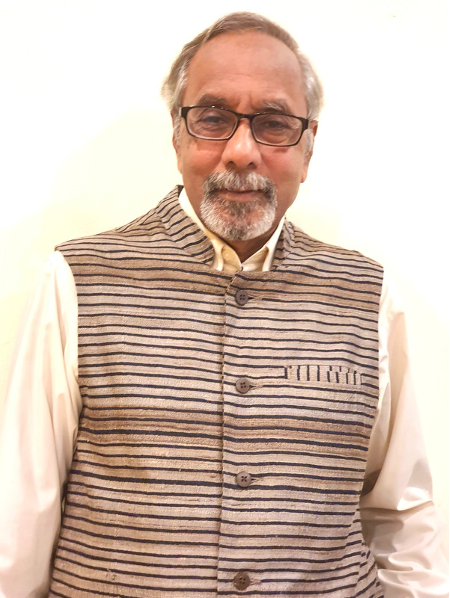
Dr N Varaprasad
President
Management Committee
A question no one else was asking in 1978 — why can't our children explain their own faith? — grew into three paths, four areas of service, and forty-eight years of a living institution.
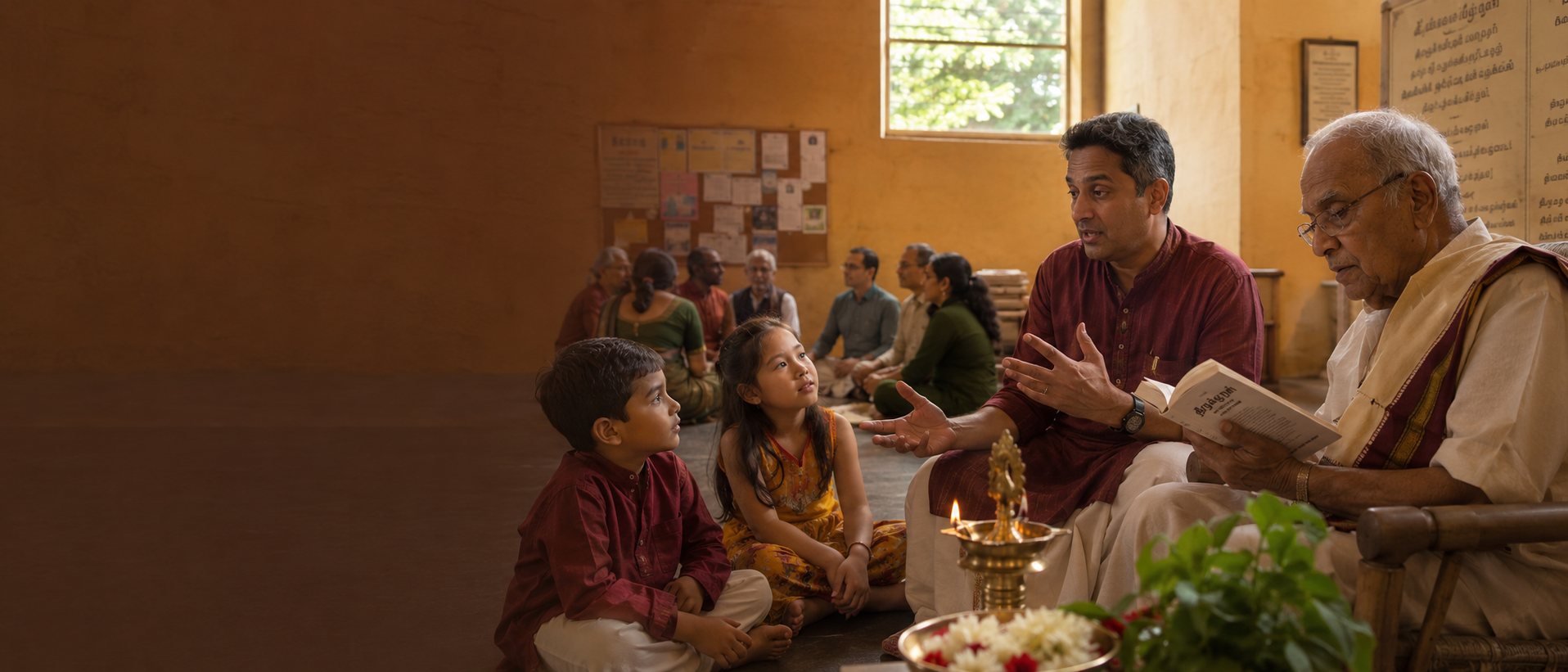
It began with an uncomfortable admission. In 1978, a group of Hindu professionals — lawyers, engineers, teachers — gathered in a living room in Singapore and faced a truth they'd been avoiding: their own children could not explain Hinduism. Not because the tradition lacked substance, but because somewhere between temple rituals and school exams, the thread of understanding had frayed.
They could have shrugged. Hindu parents across the diaspora did, and still do. But this group chose to do something about it. They started small: a Sunday school with borrowed chairs, a curriculum written on weekends, teachers who volunteered their time because they believed children deserved to understand the tradition they were born into.
From that Sunday school grew something none of them had planned. Parents who came to drop off their children stayed to learn. Learners who found depth wanted to worship together. Worshippers who felt the pull of devotion discovered they needed to serve. Three paths — Jnana, Bhakti, Sevaa — emerging naturally from one community's refusal to let their tradition fade.
Forty-eight years later, that refusal has scale. Every week, hundreds of children and adults learn here across 50+ classes and five streams. Ten major Bhakti gatherings fill the year. And four Sevaa programmes carry the tradition beyond our walls — into prisons, eldercare, youth mentorship, and marriage counselling.
The original question hasn't gone away. It has only grown more important. In 2028 we turn fifty — and the Asian Centre for Hindu Studies opens the next chapter.
Hindu Centre founded as a Hindu religious education initiative by a group of concerned professionals.
Formal children's education programme launched, serving students aged 4-16 every Sunday.
First trained Hindu counsellors begin visiting inmates in Singapore, beginning a decades-long commitment to rehabilitation.
Institution of a Public Character status recognises the Centre's service to the broader community.
Elderly befriending programme launched to address isolation among Singapore's ageing Hindu population.
New programme for at-risk youth, combining mentorship with life skills training.
Confidential marriage counselling launched, delivered by volunteer professionals grounded in clinical practice and dharmic philosophy.
Expanded social outreach combining all four Sevaa programmes — Mitra, Bandhu, Chakra and Mantranam — under one unified framework.
Mitra extends Hindu counselling to Angsana welfare home. Taranga dance troupe makes its first public stage. Shanti Mantras and Vedic Chanting classes introduced.
Asian Centre for Hindu Studies (ACHS) filed with ACRA. A new Yuvashakti programme arc. Golden Jubilee in 2028 — fifty years of three paths, with room for the next fifty.
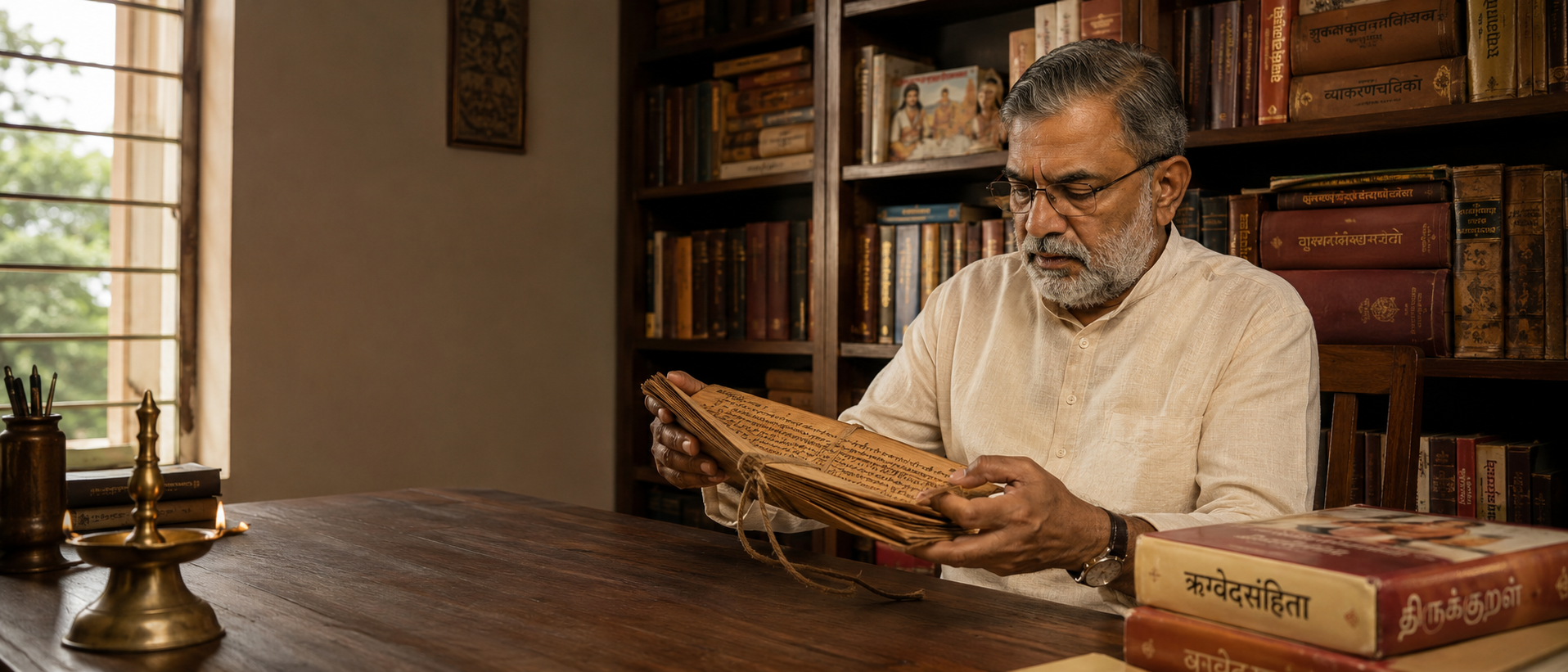
A premier learning organisation for Sanatana Dharma in Singapore and Southeast Asia. Currently filed with ACRA, with doors opening in 2028 to coincide with Hindu Centre's Golden Jubilee.
ACHS exists because the next fifty years of Hindu thought in Asia deserve a home that combines the rigour of a university press with the lived tradition of a community institution. Not a seminary. Not a temple school. A serious place to study.
Entity application filed with ACRA. Founding council convened. Faculty conversations underway with senior scholars in Singapore and India.
Curriculum finalised in partnership with Chinmaya Mission, Vyasa Yoga, Sanskrit Bharati. Pilot lecture series. Founding cohort recruited.
ACHS opens its doors to its first full programme on Hindu Centre's 50th anniversary. The next fifty years of Sanatana Dharma in Asia begin here.
ACHS is being built one named gift at a time. Founding patrons will be recognised in perpetuity in the ACHS hall.
Three paths that Hinduism has always recognised. Equal in importance. Inseparable in practice.
Balagurukulam. Adult classes. Sanskrit. Seminars. Publications. The intellectual tradition of Hinduism, made accessible and rigorous.
Bhajans. Festivals. Prayer circles. The devotional heart of Hinduism, kept alive and shared generously.
Mitra. Bandhu. Chakra. Mantranam. The active expression of Hindu values through service to those who need it most.
Volunteers who lead by example. Every committee member also serves in at least one programme.
President
Management Committee
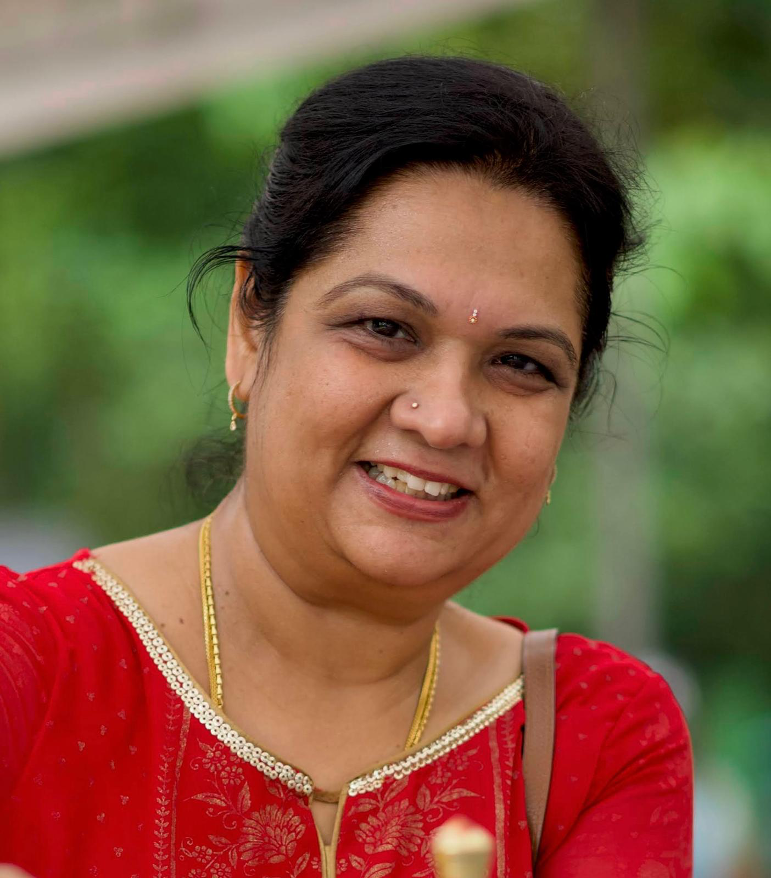
Honorary Secretary
Management Committee
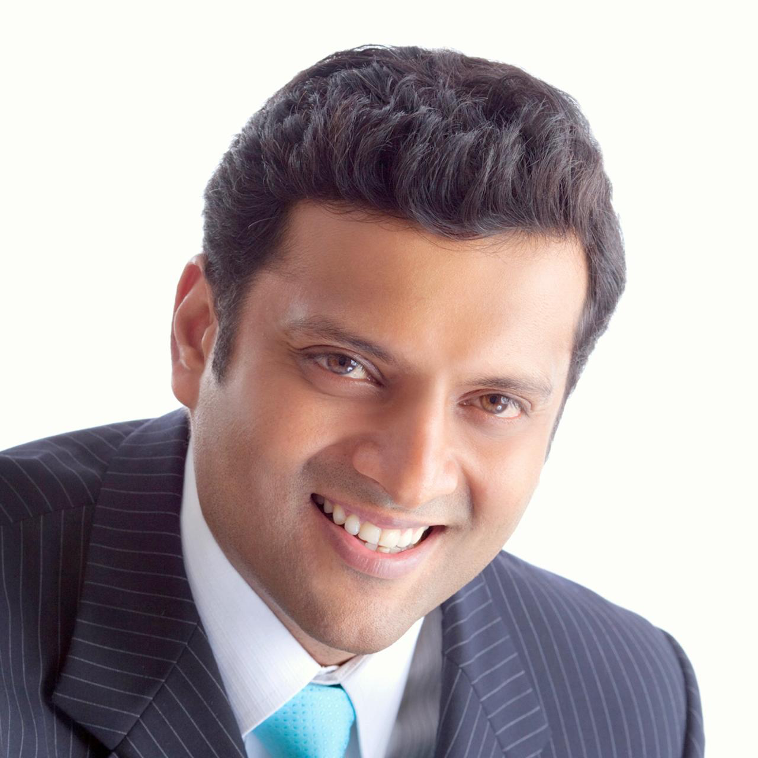
Honorary Treasurer
Management Committee
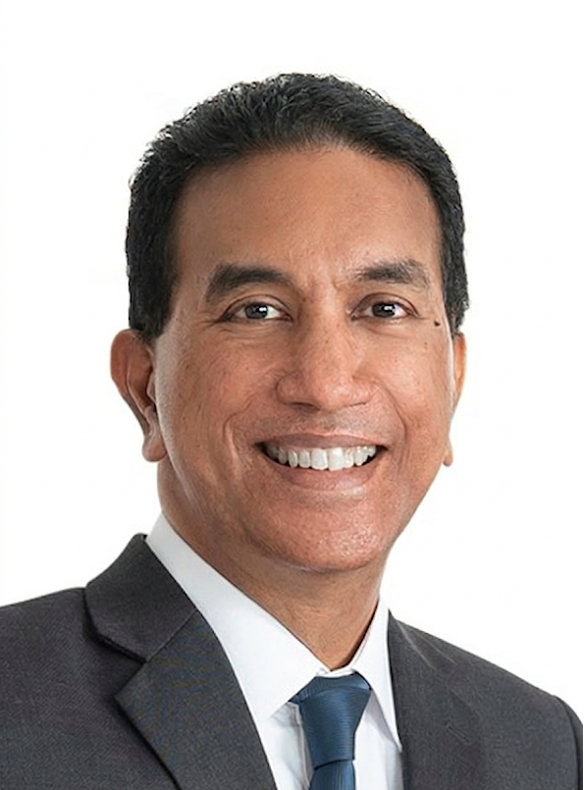
Vice-President
Head, Seva · Lead, Mitra
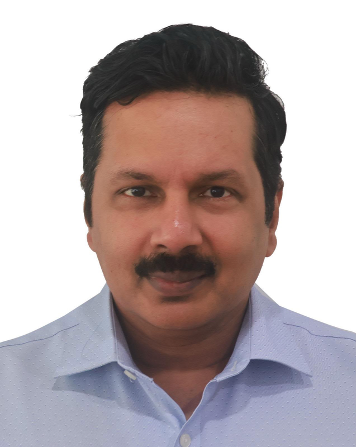
Vice-President
Lead, 50th Anniversary Project
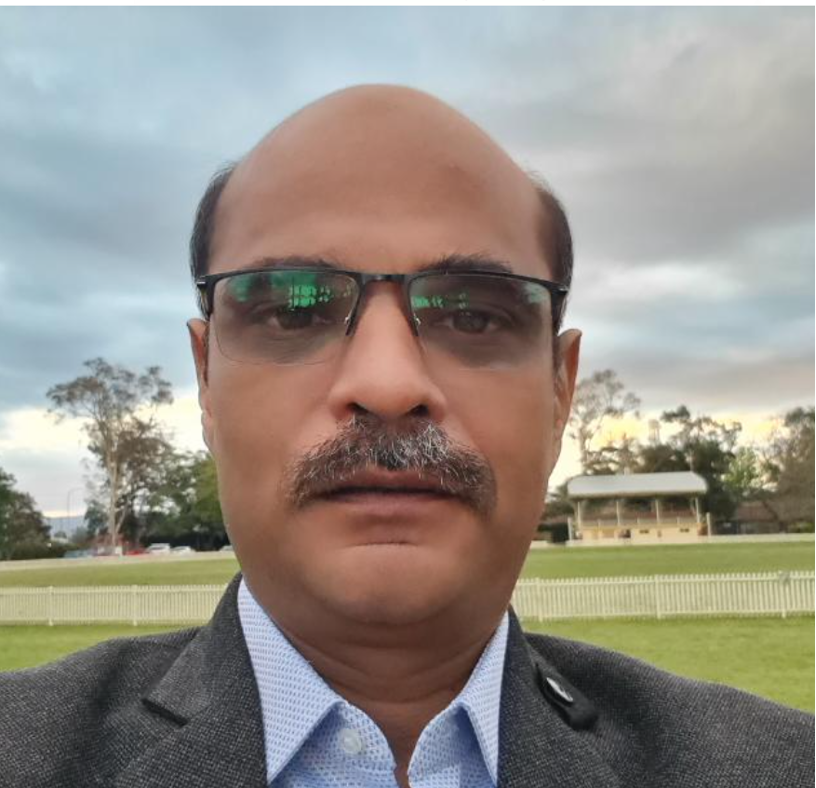
Head, EduComm & Balagurukulam
Committee Member
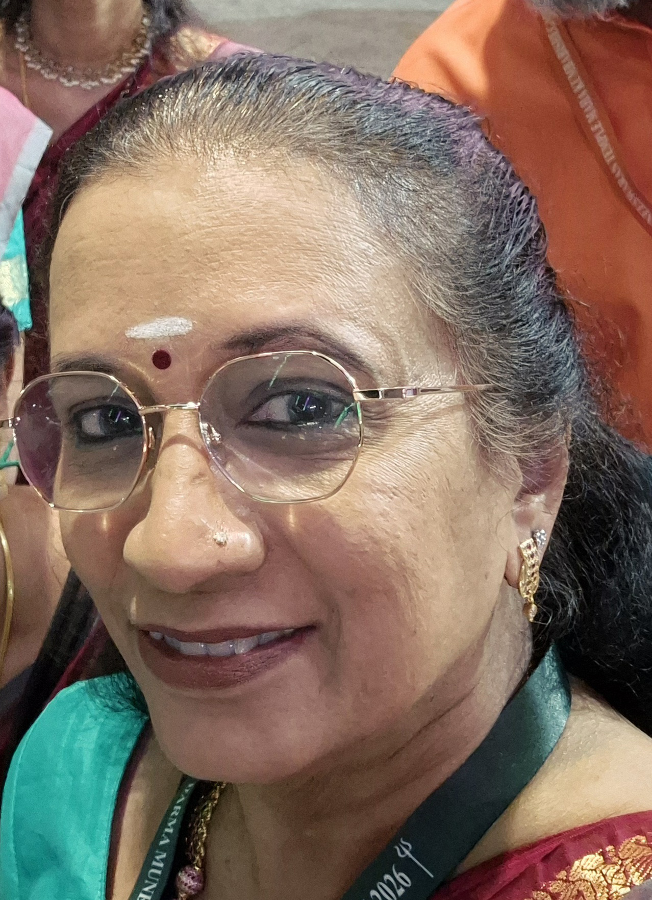
Head, Bhakti Wing
Committee Member
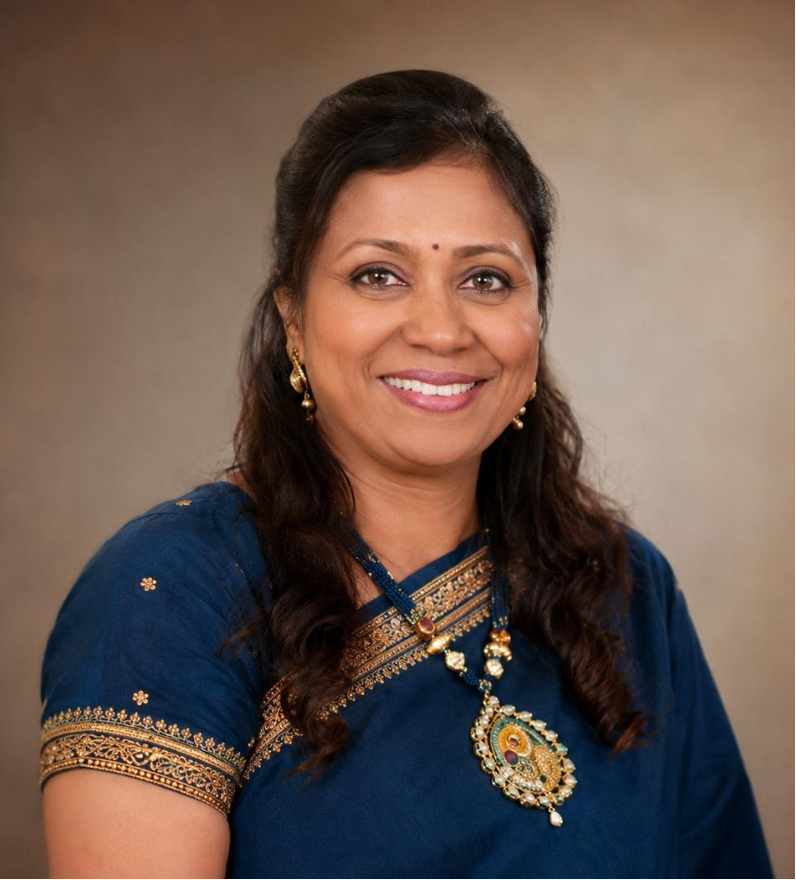
Lead, Volunteer Welfare & Management
Committee Member
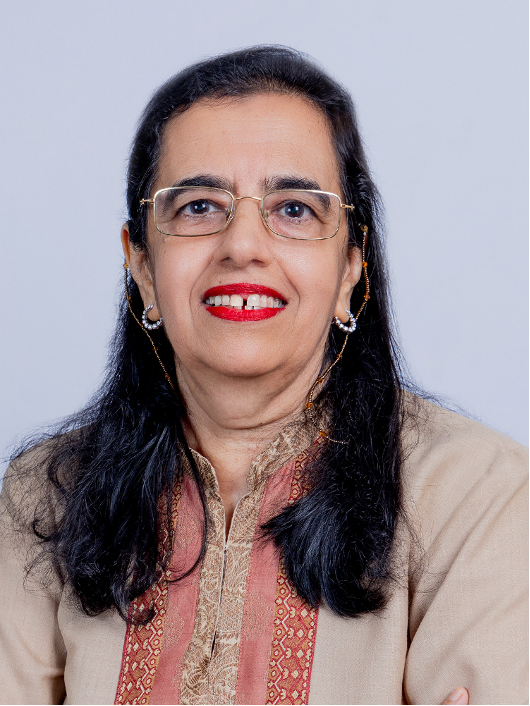
Lead, Research & Publications
Committee Member
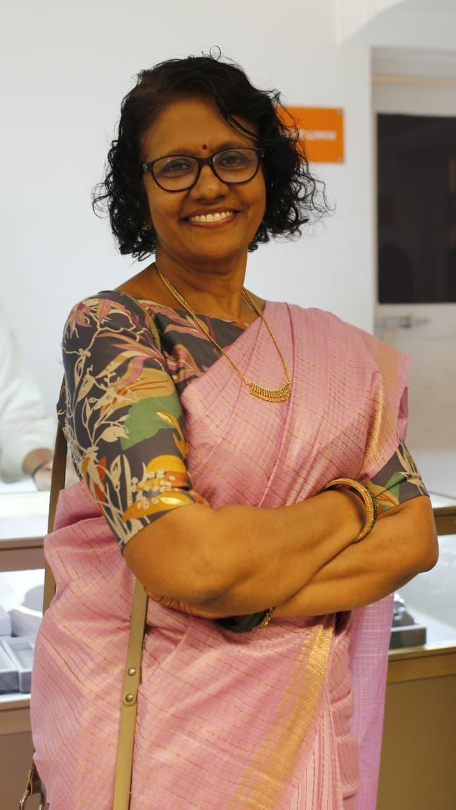
Lead, Social Media & Patrika
Committee Member
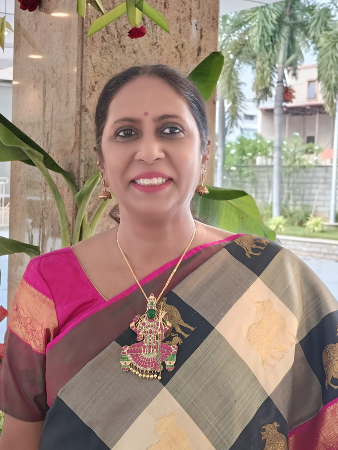
Lead, Yoga & Book Sales
Committee Member
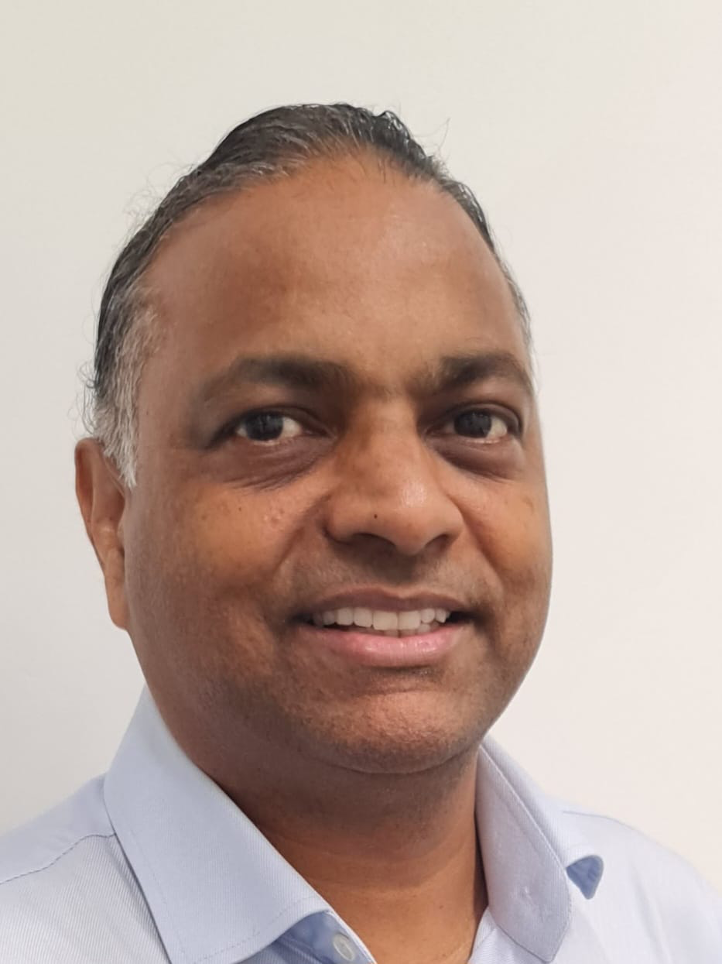
Lead, Asian Centre for Hindu Studies
Committee Member
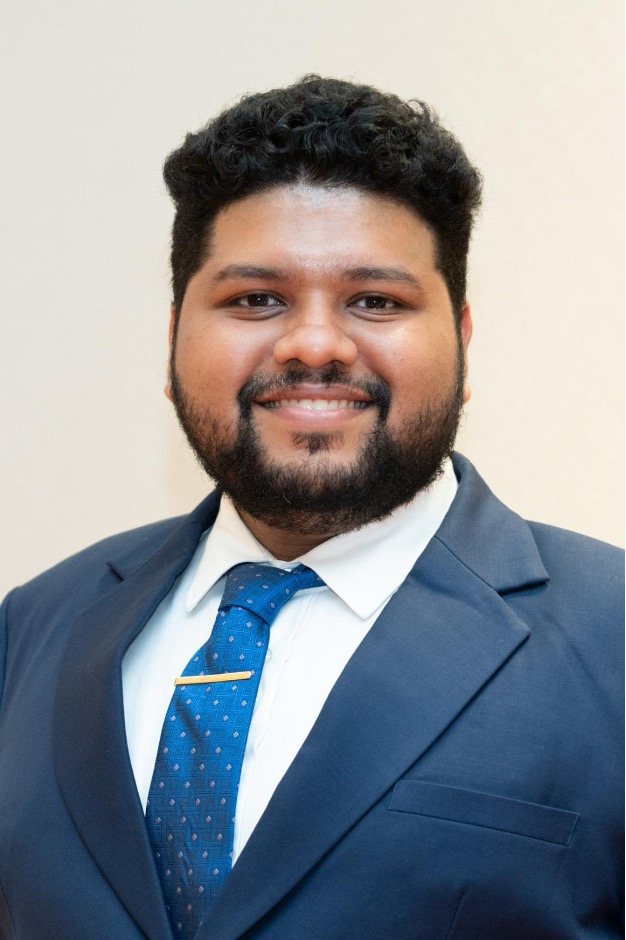
Lead, Yuvashakti (Youth Wing)
Committee Member
The Hindu Centre is a registered society under the Societies Act (Chapter 311) of Singapore. Our constitution sets out the objectives, membership criteria, and governance framework that guide all activities. The constitution is available for review by any member upon request.
We are committed to full financial transparency. Annual audited accounts are presented at the Annual General Meeting and made available to all members. The Centre holds the status of an Institution of a Public Character (IPC), and all donations are eligible for tax deductions.
All committee members and volunteers adhere to a code of conduct that upholds integrity, respect, and accountability. We are guided by the principle that every act of service is an offering, and we hold ourselves to the highest standards of ethical behaviour in our community work.
Committee members must declare any potential conflicts of interest and recuse themselves from related decisions. This policy ensures that all governance decisions serve the Centre's mission and the broader Hindu community in Singapore, free from personal interests.